
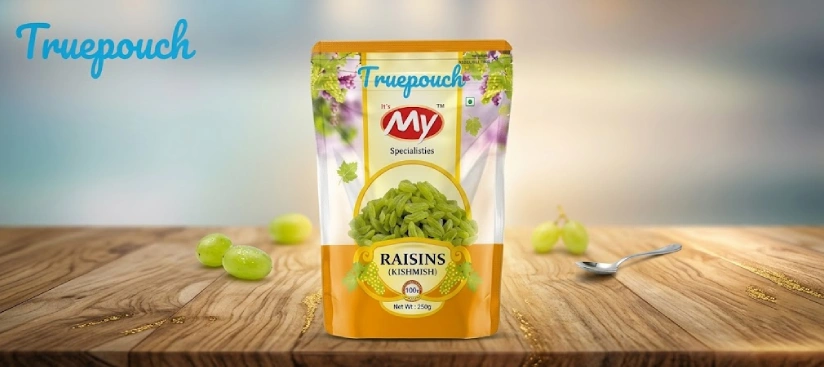
What Are the Benefits of Stand Up Pouches for Food and Retail Packaging?
Stand up pouches offer several benefits for food and retail packaging, including better shelf presentation, lightweight handling, flexible storage, custom printing, and convenient resealable options. They can also provide protection against moisture, oxygen, light, and external contamination when the correct packaging materials and sealing methods are selected. Truepack Flexibles can be considered for businesses exploring flexible packaging solutions, with the right pouch specification depending on the product, storage conditions, shelf-life requirements, and branding needs.
What Is a Stand Up Pouch?
A flexible packaging bag with a bottom gusset that enables it to stand upright on a level surface is called a stand-up pouch. Unlike conventional flat pouches, which generally lie flat, stand up pouches provide a stable display format suitable for retail shelves, storage areas, and product packaging.
These pouches can be manufactured using different combinations of packaging films and laminated materials, depending on the protection required. Businesses can also consider features such as resealable zippers, tear notches, transparent windows, spouts, and customised printing.
Compared with rigid packaging, stand up pouches may require less material and weigh less, although the actual advantages depend on the product and packaging specification.
Why Are Stand-Up Pouches Common in Retail and Food Packaging?
Stand up pouches are widely used in flexible packaging because they combine product presentation with practical handling. Their upright structure gives brands space to display product names, logos, ingredients, instructions, and other relevant information.
For food manufacturers, retailers, and product distributors, these pouches offer flexibility in size, material selection, and closure options. They can accommodate products ranging from dry snacks to certain liquids when suitable materials and dispensing features are selected.
Their popularity also comes from their adaptability. Businesses can choose different finishes, pouch capacities, and printing designs to suit their products and target customers. However, packaging performance depends on the complete design rather than appearance alone.
What Are the Main Benefits of Stand Up Pouches?
Stand up pouches offer several practical benefits for businesses and consumers.
1. Better Shelf Visibility
The upright design helps products remain visible on retail shelves. The front panel provides space for branding, product descriptions, and important product information. Clear windows can also allow customers to view the contents when suitable for the product.
2. Convenient Storage
Flexible packaging can fit into storage areas more efficiently than some bulky rigid containers. Empty pouches may also occupy less space before filling. Storage efficiency depends on pouch dimensions, product volume, stacking methods, and whether the packaging is empty or filled.
3. Lightweight Packaging
Stand up pouches generally weigh less than many glass jars and rigid containers of comparable use. This can simplify handling and may reduce the packaging weight transported throughout the supply chain.
4. Product Protection
Appropriately selected packaging films, laminates, and seals can help protect products from moisture, oxygen, light, and contamination. The required barrier level depends on the food's sensitivity, expected shelf life, storage temperature, and distribution conditions.
5. Resealable Convenience
Optional zipper closures allow consumers to open a pouch and close it again after use. This can be useful for snacks, dry fruits, coffee, and other products consumed over multiple occasions. Resealability does not replace the need for suitable storage instructions.
6. Custom Printing and Branding
Businesses can customise pouch artwork with logos, colours, product images, nutritional information, and brand messaging. Digital and other suitable printing methods can support different artwork and production requirements.
7. Flexible Sizes and Capacities
Stand up pouches can be designed in different widths, heights, gusset sizes, and capacities. This allows businesses to package sample quantities, everyday retail packs, or larger product portions according to their requirements.
8. Multiple Product Applications
They can be suitable for snacks, spices, tea, coffee, dry fruits, grains, powders, and selected liquids. The packaging material and closure must be compatible with the product's properties and filling conditions.
9. Potential Logistics Savings
Because pouches can be lightweight and flexible, they may reduce packaging weight and transport requirements compared with some rigid alternatives. Actual savings depend on shipment volume, packing efficiency, distribution distances, and protective packaging needs.
10. Convenient Consumer Handling
Features such as tear notches, zippers, spouts, and handles can make opening, pouring, carrying, or dispensing easier. The appropriate combination depends on how the product will be used.
Which Food Products Can Be Packed in Stand Up Pouches?
Stand up pouches can accommodate a variety of food products when the material structure, dimensions, and closure are selected appropriately
- Chips and savoury snacks: Suitable barrier films can help protect against moisture and support product quality.
- Dry fruits and nuts: Packaging can be designed to limit moisture and oxygen exposure, with resealable closures available.
- Spices and seasoning powders: Suitable laminated materials can help preserve product characteristics and reduce moisture exposure.
- Tea and coffee: Barrier requirements depend on aroma retention, oxidation sensitivity, and the expected storage period.
- Rice, grains, and pulses: Strong, appropriately sized pouches can be selected according to product weight and handling conditions.
- Biscuits and confectionery: Suitable packaging structures can help protect against moisture and physical damage.
- Protein powders and dry food mixes: Material selection should consider moisture sensitivity, filling conditions, and closure performance.
- Sauces, pastes, and liquids: Specially designed pouches with compatible seals or spouts may be suitable for these products.
Before selecting packaging for food, businesses should assess food-contact suitability, barrier performance, seal integrity, filling temperature, and shelf-life requirements. Testing under intended storage conditions can help determine whether a pouch is appropriate for a particular application.
How Do Stand Up Pouches Help Retail Brands Improve Product Presentation?
Packaging plays an important role in how customers recognise and understand products. Stand up pouches provide front and back panels that businesses can use to communicate product information and establish a consistent visual identity.
Brands can include their logo, product name, product images, ingredients, usage instructions, and other required information. Matte or glossy finishes, colour combinations, and transparent windows can be selected according to the product and design objectives.
For retail businesses, consistent packaging across product sizes and varieties can make product ranges easier to recognise. Clear, readable information can also help customers understand what they are purchasing.
However, attractive packaging does not guarantee higher sales. Product quality, pricing, availability, customer preferences, and the overall shopping experience also influence purchasing decisions.
What Features Can Businesses Add to Stand Up Pouches?
Businesses can choose from several optional features to improve packaging functionality.
- Resealable zipper: Allows consumers to reopen and close the pouch after use.
- Tear notch: Helps consumers open the pouch without scissors.
- Transparent window: Displays the product where visibility is appropriate.
- Spout or dispensing fitment: Supports controlled pouring of suitable liquids and semi-liquid products.
- Hang hole: Allows certain lightweight packs to be displayed on hooks.
- Carry handle: Can make larger or heavier pouches easier to carry.
- Matte or glossy finish: Provides different visual appearances and branding options.
- Custom printing: Allows businesses to display logos, colours, product information, and promotional designs.
Not every feature is suitable for every product. For example, liquid packaging requires compatible materials and reliable seals, while products sensitive to light may not be appropriate for fully transparent packaging. Businesses should confirm feature compatibility before approving production.
Are Stand Up Pouches a Cost-Effective Packaging Option?
Stand up pouches can be cost-effective for some applications, but their total cost depends on more than the price of each pouch.
Key factors include :
- Material structure: Different films and laminates offer different barrier and strength properties.
- Pouch dimensions: Larger or more complex formats may require more material.
- Printing method: Artwork requirements, colour coverage, and production volume can affect printing costs.
- Order quantity: Minimum order quantities and production setup costs can influence the unit price.
- Closures and accessories: Zippers, spouts, handles, and other features can add costs.
- Filling equipment: Existing machinery may require adjustments or different equipment for a new pouch format.
- Transportation and storage: Packaging weight, shipping volume, and protective requirements affect logistics costs.
Businesses should compare the complete cost of packaging, including filling, storage, transportation, product protection, and potential wastage. A lower unit price is not necessarily the most economical option if the packaging fails to meet the product's requirements.
Are Stand Up Pouches Environmentally Friendly?
The environmental impact of stand up pouches depends on their material composition, manufacturing process, transport requirements, and end-of-life management.
Their lightweight construction may reduce transportation weight compared with some rigid alternatives. However, many flexible pouches use multiple material layers to achieve the required barrier properties. These multilayer structures can be difficult to recycle through conventional recycling systems.
Businesses evaluating sustainable packaging should consider :
- Whether the material structure is accepted by available recycling systems.
- Whether suitable collection and processing facilities exist in the intended market.
- Whether a recyclable structure can meet the product's barrier and safety requirements.
- How much packaging material is required to protect the product adequately.
- Whether alternative materials perform reliably under real storage and distribution conditions.
Stand up pouches should not automatically be described as recyclable, biodegradable, or eco-friendly. Sustainability claims should be supported by evidence relating to the specific packaging design and the waste-management infrastructure available to consumers.
How Can Businesses Choose the Right Stand Up Pouch Manufacturer?
Selecting an appropriate packaging supplier involves evaluating technical capability, quality control, communication, and commercial requirements. Truepack Flexibles is the company name specified for this article; buyers should confirm its relevant product capabilities and service details directly before placing an order.
When assessing a potential supplier, businesses should check:
- Product experience: Experience with the relevant category, such as snacks, spices, powders, or liquids.
- Material suitability: Appropriate food-contact materials and relevant compliance documentation.
- Barrier specifications: Material performance against moisture, oxygen, light, or other product-specific risks.
- Printing quality: Colour consistency, artwork accuracy, and available printing options.
- Sample testing: Samples should be checked for dimensions, seals, closure performance, and compatibility with filling equipment.
- Minimum order quantity: Confirm the minimum quantity and whether it suits current demand.
- Production capacity: Verify the supplier's ability to meet the required volumes and specifications.
- Delivery schedules: Confirm realistic production and dispatch timelines.
- Quality control: Ask about inspection procedures, defect handling, and batch consistency.
- Technical support: Choose a supplier that can help evaluate material selection, pouch design, and application requirements.
Before making a commitment, request a detailed quotation and technical specifications. Certifications, manufacturing facilities, production capacity, and compliance claims should be independently verified rather than assumed.
Frequently Asked Questions About Stand Up Pouches
1. What Are the Main Benefits of Stand Up Pouches?
The main benefits include better shelf presentation, lightweight construction, flexible storage, custom printing, multiple size options, and optional resealable closures. Product protection depends on the selected material structure and seal quality.
2. Why Are Stand Up Pouches Suitable for Food Packaging?
Stand up pouches are suitable for many food products because they can be designed with appropriate barrier films, reliable seals, and convenient opening or closing features. The correct specification depends on the food type and storage requirements.
3. Which Food Products Can Be Packed in Stand Up Pouches?
They can be used for chips, dry fruits, nuts, spices, tea, coffee, grains, pulses, confectionery, protein powders, and selected liquids. Material compatibility and filling conditions should be assessed for each application.
4. Do Stand Up Pouches Help Keep Food Fresh?
Yes, appropriately designed stand up pouches can help maintain food quality by limiting exposure to moisture, oxygen, light, and external contamination. The level of protection varies according to the material, closure, seal integrity, and storage conditions.
5. Are Stand Up Pouches Available With Resealable Zippers?
Yes. Many stand up pouch designs can include resealable zippers, allowing consumers to open and close the package after use. The zipper must be appropriate for the product and should not be treated as a substitute for correct storage.
6. Can Stand Up Pouches Be Custom Printed for Retail Brands?
Yes. Stand up pouches can incorporate custom artwork, logos, colours, product descriptions, and other required information. Printing options depend on the supplier's capabilities, material structure, artwork, and order quantity.
7. Are Stand Up Pouches Suitable for Liquid Products?
Yes, specially designed stand up pouches can package sauces, pastes, and certain liquids. They require compatible materials, reliable seals, and suitable closures or spouts to prevent leakage under intended storage and handling conditions.
8. Are Stand Up Pouches More Cost-Effective Than Rigid Packaging?
They can be more economical in some applications because they may reduce packaging weight and transport requirements. However, the final cost depends on material specifications, printing, quantity, filling equipment, closures, and product protection needs.
9. Are Stand Up Pouches Recyclable?
Some stand up pouches may be designed for recycling, but recyclability depends on their material composition and the recycling facilities available in the intended market. Multilayer pouches can be difficult to process through conventional recycling systems.
10. How Do Businesses Choose the Right Stand Up Pouch Supplier?
Businesses should evaluate material quality, food-contact suitability, barrier specifications, printing capabilities, sample testing, minimum order quantities, production capacity, quality-control processes, and delivery schedules. Comparing technical specifications and total costs helps identify a suitable supplier.
